Understanding Free AI Image Editors
As the digital landscape evolves, the demand for powerful image editing tools has surged, leading to the emergence of free ai image editor. These advanced applications leverage artificial intelligence to enhance, manipulate, and transform images with minimal effort from users. Whether you're a professional designer or a hobbyist, understanding the core functionalities of these tools is vital to maximizing their potential in your creative projects.
What is a Free AI Image Editor?
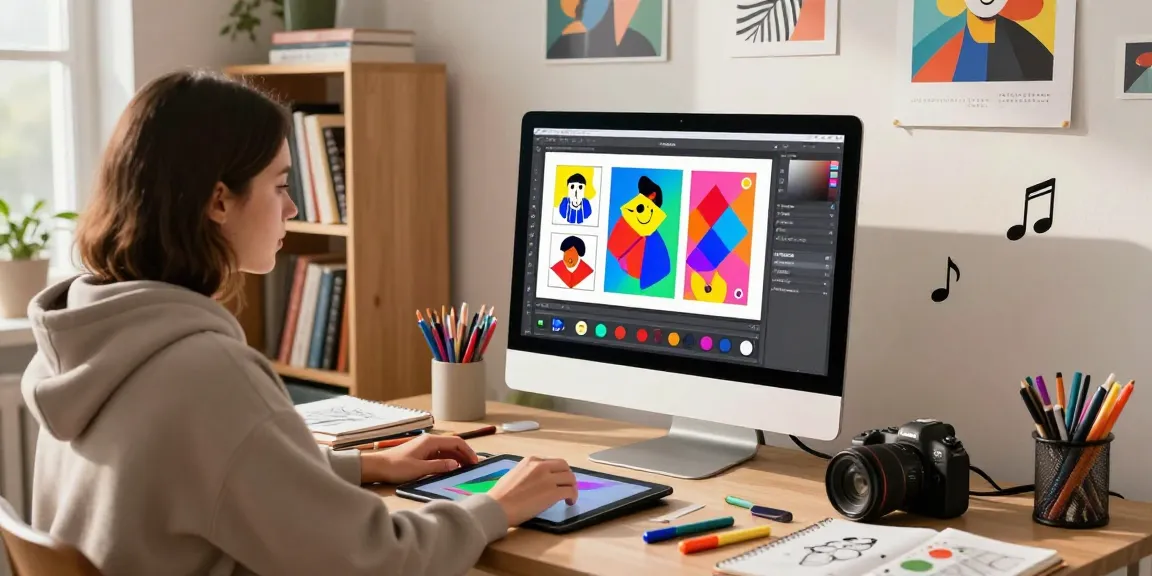
A free AI image editor is an online or downloadable software application that utilizes artificial intelligence algorithms to perform complex image editing tasks that typically require extensive skill and experience. These tools allow users to perform actions such as background removal, color correction, and stylistic enhancements automatically, streamlining the editing process.
Unlike traditional editing software that often involves cumbersome manual adjustments, AI image editors analyze the content of images and apply changes based on learned patterns and user preferences. This technology democratizes image editing, making it accessible to individuals without a professional background in graphic design.
Key Features of Effective AI Image Editors
- Automated Enhancements: AI-powered algorithms can automatically adjust brightness, contrast, saturation, and more, ensuring optimal image quality.
- Background Removal: One-click background removal is a common feature, allowing users to isolate subjects seamlessly.
- Real-time Preview: Users can see changes in real-time, enabling a more efficient editing process.
- Customizable Templates: Many editors offer templates and presets tailored for specific editing styles, such as vintage or high-contrast looks.
- AI-Powered Filters: Advanced filters utilize machine learning to recreate artistic styles, transforming photos into digital artworks effortlessly.
Benefits of Using AI in Image Editing
The incorporation of AI in image editing provides numerous advantages over traditional techniques. One of the most significant benefits is speed. Tasks that might take hours for a skilled editor can be completed in minutes, allowing creatives to focus more on concept development rather than technical execution. Additionally, AI tools are consistently improving, reducing errors and enhancing precision in editing tasks. This reliability encourages users to experiment more with their images without the fear of making irreversible mistakes.
Moreover, the accessibility of free AI image editors lowers the barrier to entry for newcomers to graphic design. Users can transform their photos and graphics without investing in expensive software or extensive training, fostering a new generation of digital artists and marketers.
Top Free AI Image Editors in 2026
As the market for AI image editing tools continues to grow, several platforms stand out in 2026 for their unique features, ease of use, and robust functionalities. Understanding which tools excel can help users select the right editor for their needs.
Comparison of Popular AI Image Editors
Here are some of the top contenders for free AI image editing software in 2026:
- Pixlr: Offers a user-friendly interface with a plethora of AI-driven features like automatic background removal and intelligent photo enhancement.
- DeepArt: Utilizes neural networks to apply artistic filters, allowing users to transform photos into stunning artworks.
- Remove.bg: Specializes in quick and effective background removal, making it ideal for product photography and profile pictures.
- Canva: Known for its graphic design capabilities, it features AI tools that simplify image enhancement and layout adjustments.
- Fotor: Combines AI editing features with an easy-to-navigate interface, providing templates for social media and marketing needs.
User Reviews and Feedback
User reviews are crucial for assessing the effectiveness of any software. Many users commend the intuitive design of Pixlr and Canva, while others highlight the specialized capabilities of Remove.bg for specific tasks like e-commerce product photography. Feedback often points to the learning curve associated with more sophisticated tools like DeepArt, which, while powerful, may require some practice to master effectively.
Unique Features Across Different Platforms
Each AI image editor has its unique selling propositions. For instance, Remove.bg excels in offering lightning-fast background removal, whereas DeepArt captivates users with its ability to produce high-quality artistic effects using AI. Such features allow users to choose a software that aligns with their specific project requirements, whether it be for professional use or personal creative ventures.
How to Get Started with AI Image Editing
Entering the world of AI image editing may seem daunting initially, but with the right guidance, users can quickly adapt to these advanced tools.
Setting Up Your Free AI Image Editor
The first step is to select and download or access your chosen AI image editor. Most platforms offer free versions along with premium subscriptions that unlock additional features. Once installed or accessed, familiarize yourself with the interface, exploring the layout, tools available, and any tutorials the platform may offer. This initial exploration will provide a solid foundation for your editing journey.
Basic Image Editing Techniques
Familiarize yourself with basic editing techniques such as cropping, adjusting brightness and contrast, and applying filters. Most AI image editors have automated suggestions based on their algorithms, which can guide you towards successful modifications. It’s essential to practice these techniques repeatedly to gain confidence and proficiency.
Tips for Maximizing Your Editing Experience
- Utilize Tutorials: Many platforms offer tutorials or help sections. Use them to accelerate your learning process.
- Experiment: Don’t hesitate to try different tools and features to see their effects. Experimentation can lead to unique creative outcomes.
- Save Versions: Always save different versions of your edits. This way, you can revert to a previous state if necessary.
Common Challenges and Solutions
Like any technology, AI image editors come with their set of challenges. Recognizing these challenges and having strategies to overcome them is vital for a smoother editing experience.
Overcoming Learning Curves in AI Image Editing
One of the most common challenges is the learning curve associated with AI tools. Users may feel overwhelmed by the array of features offered. The best approach is to start with simple edits and gradually incorporate more complex features as you grow comfortable with the basics.
Resolving Technical Issues
Technical issues such as glitches or slow performance can disrupt the editing process. Always ensure your software is updated to the latest version and check your internet connection when using online platforms. If problems persist, consulting the support team or user forums can provide quick resolutions.
Mistakes to Avoid When Using AI Editors
To maximize your effectiveness, avoid common pitfalls like over-editing, which can lead to unnatural results. Also, refrain from solely relying on automated features without personal adjustments, as this can detract from the intended creative vision.
The Future of AI Image Editing
The landscape of AI image editing is expected to evolve rapidly in the coming years, driven by advancements in technology and user demand for sophisticated editing features.
Emerging Trends in 2026 and Beyond
Trends such as augmented reality integration and more advanced machine learning models are likely to shape the future of AI image editors. For instance, users might soon be able to edit images in augmented reality environments, significantly enriching the editing experience.
How AI Will Shape Digital Art and Design
AI's role in digital art and design will continue to grow, aiding artists by providing new tools to create and enhance products. As technology advances, we can expect more innovations that facilitate collaborative creation between human artists and AI systems, blurring the lines between human creativity and machine efficiency.
Expert Predictions and Insights
Industry experts predict that the democratization of image editing through AI will lead to a surge in digital content creation. As more individuals gain access to sophisticated editing tools, the quality and diversity of visual content across platforms are expected to increase, ultimately benefiting audiences and creators alike.